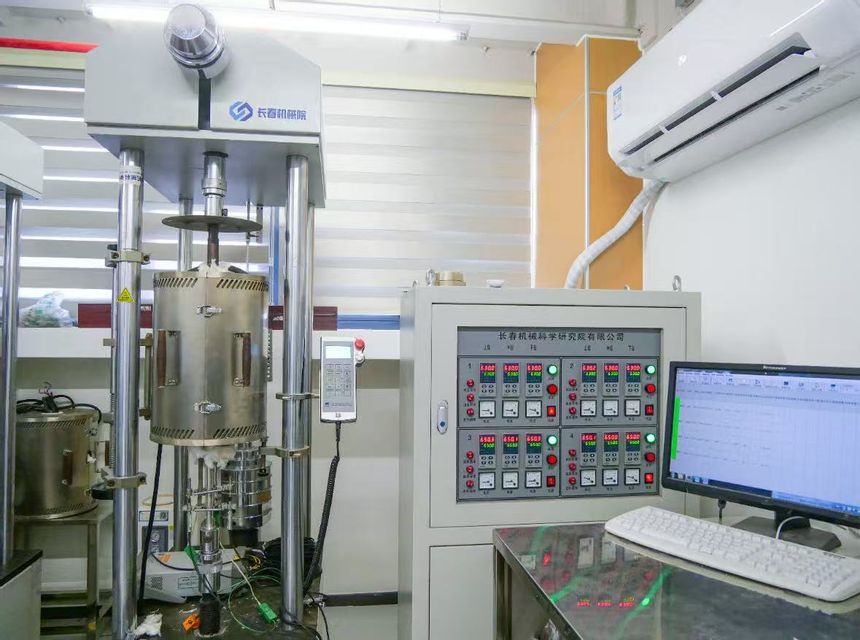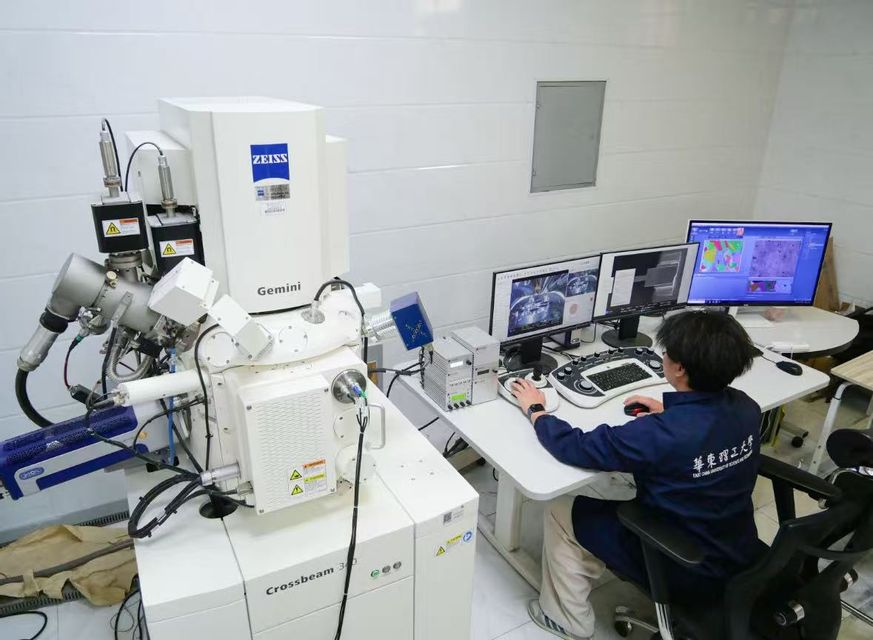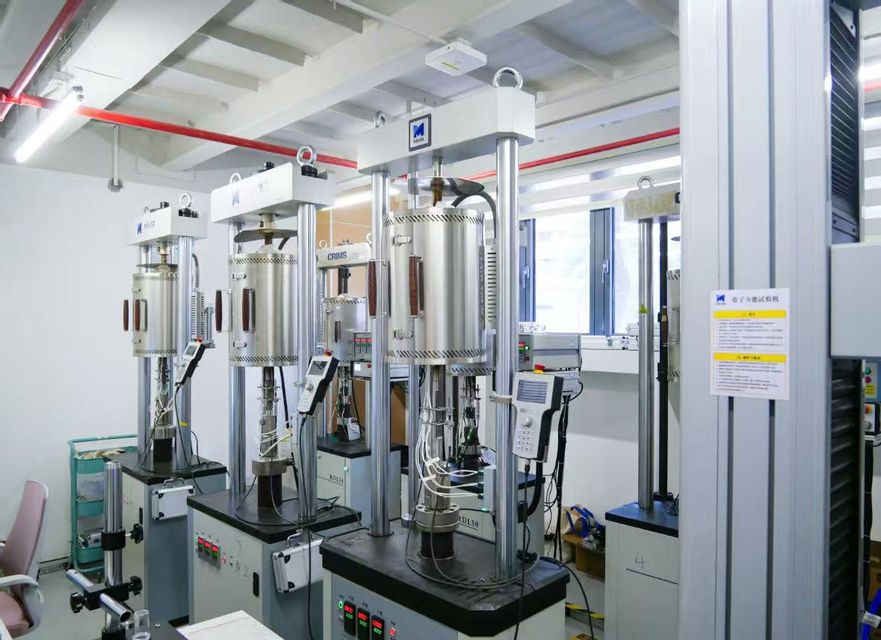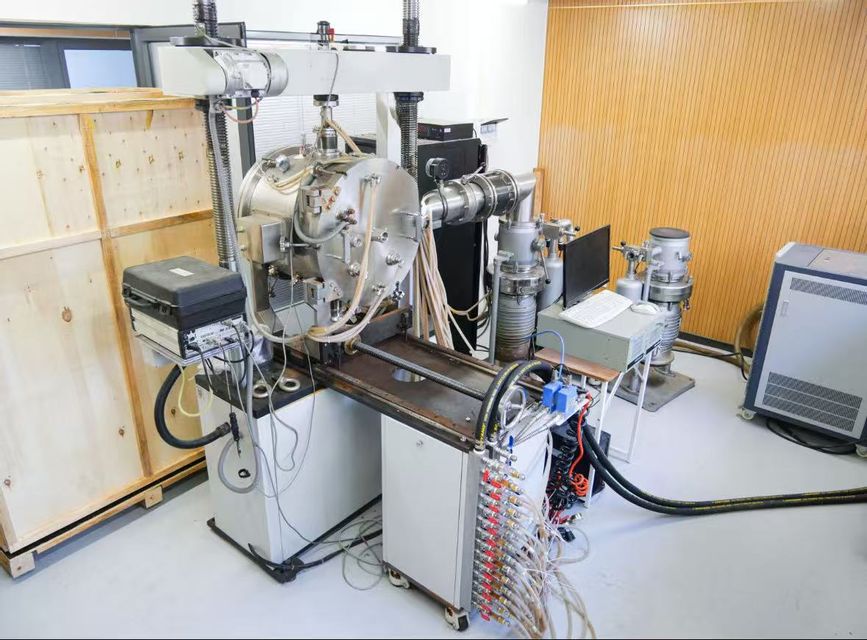
The State Key Laboratory of Chemical Safety (SKLCS) was jointly established by SINOPEC Research Institute of Safety Engineering Co., Ltd., China University of Petroleum (East China), and East China University of Science and Technology.
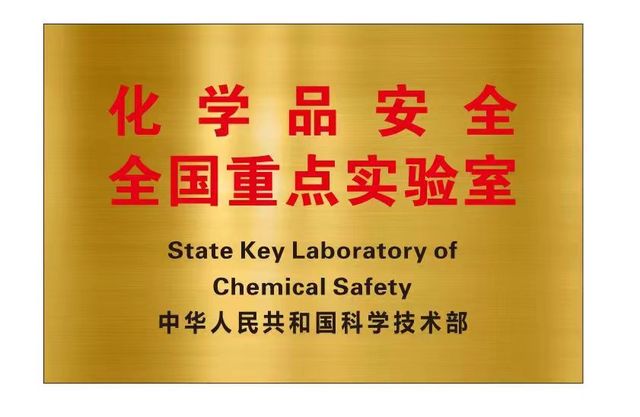
SKLCS was originated from the State Key Laboratory for Chemical Safety Control. It was the first 36 enterprise-based national key laboratories approved by the Ministry of Science and Technology in 2007, and restructured in 2023.
With the mission to resolve critical scientific challenges in China’s energy-chemical industry regarding safety assurance and green transition, the Laboratory drives a multidimensional shift in chemical safety management: from post-accident response to inherent safety, systematic risk mitigation, and intelligent governance.
It aims to establish itself as a pioneering hub for chemical safety innovation, an elite talent incubator, a strategic think tank and an international collaboration platform.
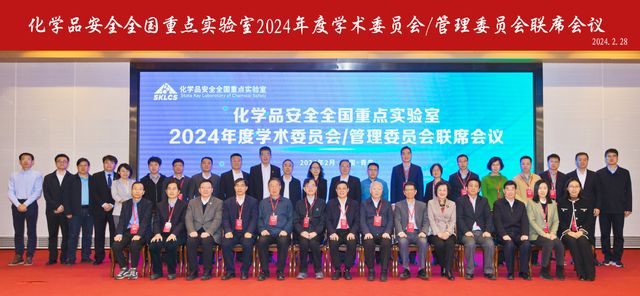
Key Research Directions:
1. Hazardous Characteristics and Reaction-Induced Disaster Mechanisms of Chemicals
The Laboratory investigates the hazard properties of chemicals, the Reaction hazard mechanisms, as well as the theories and approaches to inherent safety in processes.
It aims to build a fundamental database for chemical safety, establish a technology platform and knowledge system for inherent safety, and develop integrated technologies for the safety control of operations. Efforts also include the creation of process reengineering technologies and novel operations to improve inherent safety levels in highly hazardous processes.
2. Process Safety Risk Prevention & Control for Chemicals
The Laboratory investigates the evolution of risks across the life cycle of chemicals and their mechanisms of interaction with environmental factors, aiming for the precise quantification of risks and the development of China-owned computing software.
It’s also dedicated to producing key technologies and equipment for the prevention of material-caused damage, the diagnosis of equipment faults, and flame/explosion resistance, thereby resolving “bottleneck” challenges (technological issues subject to foreign restrictions) and bridging the invention-to-product gap across the chemical supply chains and emerging energy sectors in China.
3. Accident Evolution Mechanisms & Emergency Response
Focusing on major chemical accidents, the Laboratory addresses urgent technological needs in emergency response. It conducts fundamental studies on accident evolution & hazard containment, and the development of key technologies and equipment for emergency preparedness, incident response, and post-incident rescue.
It aims to break through bottlenecks in accident simulation, decision support, emergency decontamination, and fire extinguishing, thereby bolstering China’s independent innovation capacity in emergency science and technology.
4. Intelligent Management and Control of Chemical Safety
The Laboratory focuses on database, intelligent sensing, risk modeling, and digital management & control. It prioritizes the development of multi-dimensional IoT perception system, full-chain early warning technologies and collaborative control mitigation technologies for hazardous chemical processes.
The goal is to build a DMA (Data-Model-Application) digital intelligence system for safe production, and lead the innovation and application of Industrial Internet + Safety in the Production of Hazardous Chemicals.