Research
Research
  • 19
    Jun
    2026
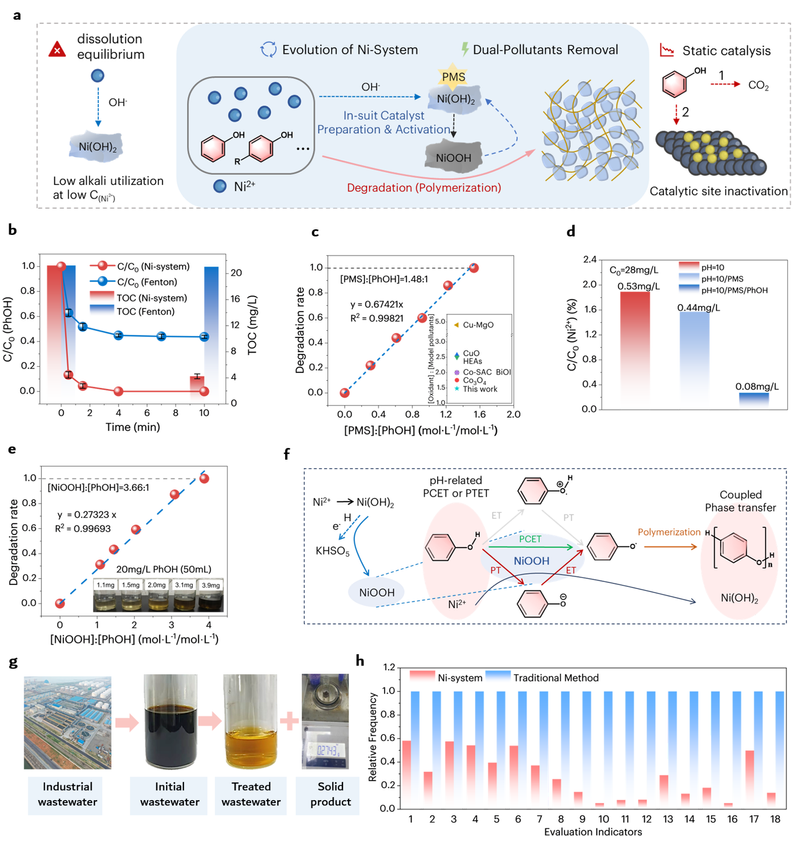
    The integrated removal of metal ions and organic pollutants from complex wastewater has long remained a major research focus and challenge in water pollution control and resource recovery. Recently, the research team at ECUST proposed a phase-transition driven self-catalysis treatment strategy. This strategy can convert metallic contaminants in water into active catalysts in situ, and simultaneously realize water purification and pollutant resource valorization.The team took the Ni²⁺/phenol syst
    2026-06-19
    LEARN MORE
  • 17
    Jun
    2026
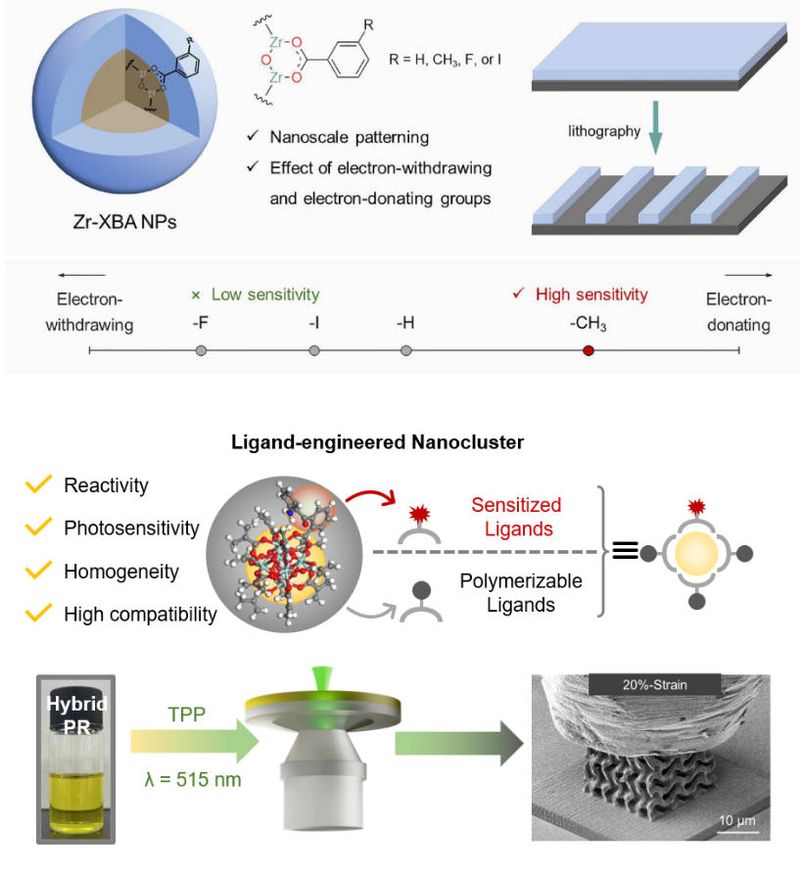
    Recently, Professor Yisheng Xu’s research group from the School of Chemical Engineering, ECUST, has achieved a series of breakthroughs in the design of metal-organic nanocluster photoresists and their applications in micro/nano fabrication. The relevant research findings were published in Science China Chemistry and Advanced Functional Materials, respectively.Micro/nano lithography acts as a core technology for integrated circuit manufacturing, micro/nano device processing and advanced manufactu
    2026-06-17
    LEARN MORE
  • 15
    Jun
    2026
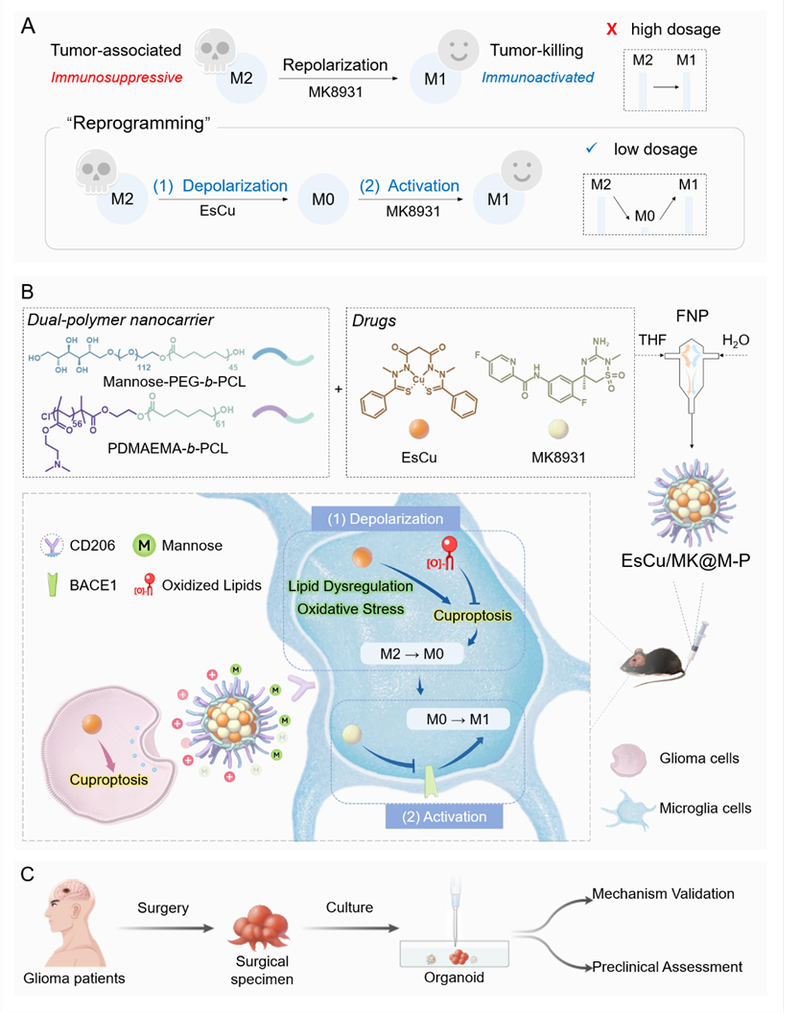
    Recently, the research team led by Professor YiSheng Xu from ECUST, in collaboration with Professor Tao Xie from Zhongshan Hospital, has made progress in the regulation of polymer nanoassembly and its application in immunotherapy. The findings were published in Advanced Functional Materials (Adv. Funct. Mater., 2026, 36, e74718) under the title “A ‘Depolarization-Activation’ Strategy Targeting Microglia: Cuproptosis-Mediated Immune Re-Sensitization Nanoplatform in Glioma Therapy”.Precise structu
    2026-06-15
    LEARN MORE
  • 12
    Jun
    2026
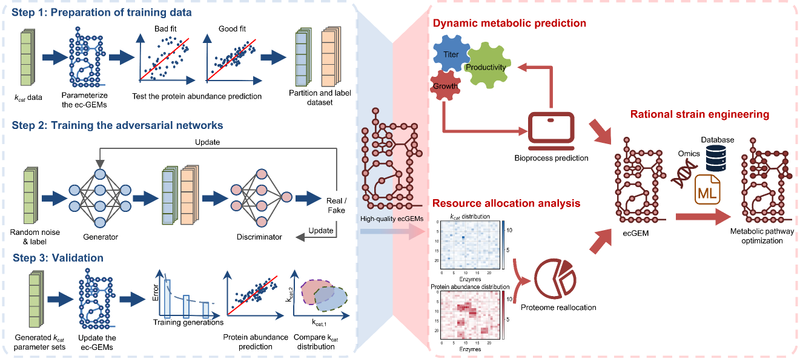
    Recently, Associate Professor Guan Wang from the School of Biotechnology at ECUST and Associate Professor Hongzhong Lu from Shanghai Jiao Tong University have made progress in the field of enzyme-constrained metabolic modeling and proteome abundance prediction. Their research, titled “EnzymeTuning improves enzyme-constrained metabolic modeling and proteome abundance prediction through deep learning,” was published in Nature Communications.Enzyme-constrained genome-scale metabolic models (ecGEMs)
    2026-06-12
    LEARN MORE
  • 11
    Jun
    2026
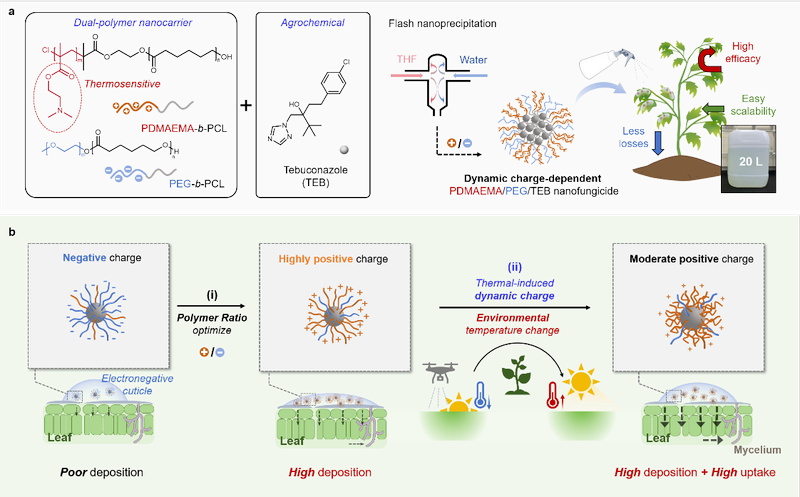
    Recently, a research team led by Academician Weihong Zhu from the School of Chemistry and Molecular Engineering and Professor Yisheng Xu from the School of Chemical Engineering at ECUST has made new progress in the study of precise deposition and efficient delivery of polymer-based nanopesticides. The findings, titled “A dynamic charge-dependent nanofungicide platform for sustainable agrochemical deposition and delivery,” were published in Chem.Sprayed agrochemical application is an essential ap
    2026-06-11
    LEARN MORE
  • 11
    Jun
    2026
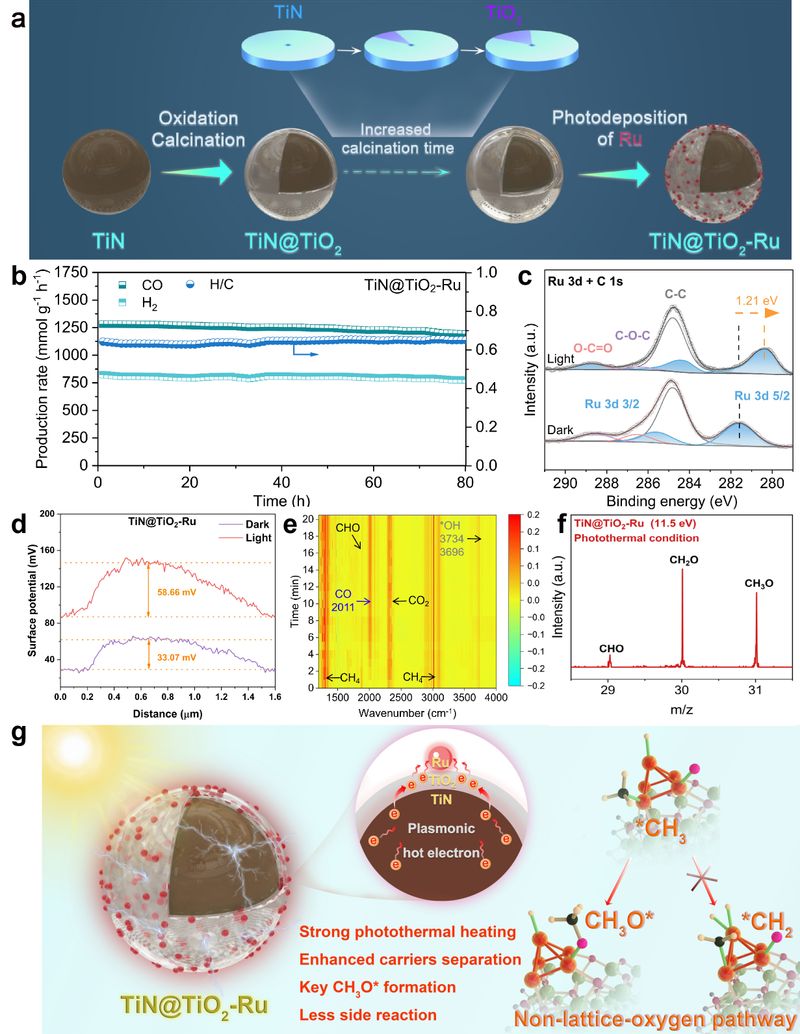
    Recently, the research team led by Professor Jinlong Zhang from the School of Chemistry and Molecular Engineering at ECUST has made new progress in photothermal dry reforming of methane. The results, titled “Interfacial Oxide Engineering of TiN Antenna-Reactor for Durable Photothermal Dry Reforming of Methane,” were published in the Journal of the American Chemical Society.Dry reforming of methane (DRM) converts two major greenhouse gases, CH₄ and CO₂, into syngas, serving as a versatile pathway
    2026-06-11
    LEARN MORE

  • 09
    Jun
    2026
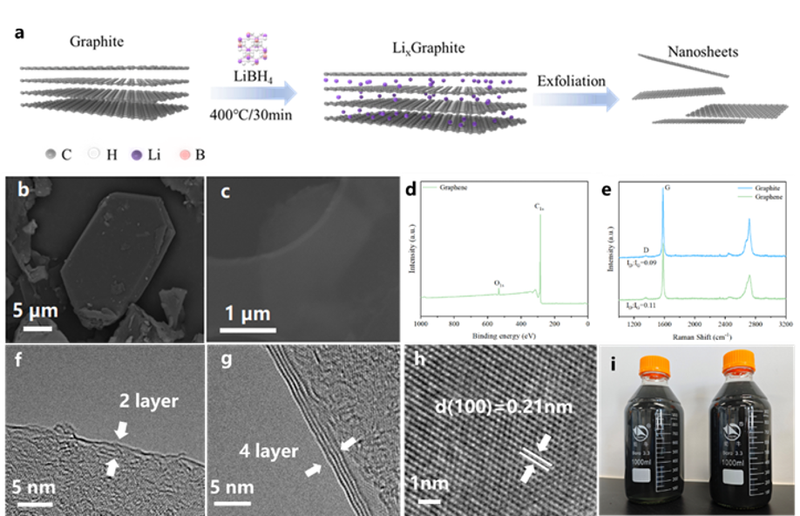
    Recently, a research team led by Research Associate Professor Liangzhu Zhang from the School of Materials Science and Engineering, ECUST, developed a green and efficient strategy for the scalable production of high-quality graphene nanosheets through solid lithiation and exfoliation. The findings were published in Advanced Functional Materials under the title “Green and Scalable Production of High-Quality Graphene by Solid Lithiation and Exfoliation.”Graphene possesses a perfect two-dimensional
    2026-06-09
    LEARN MORE
  • 08
    Jun
    2026
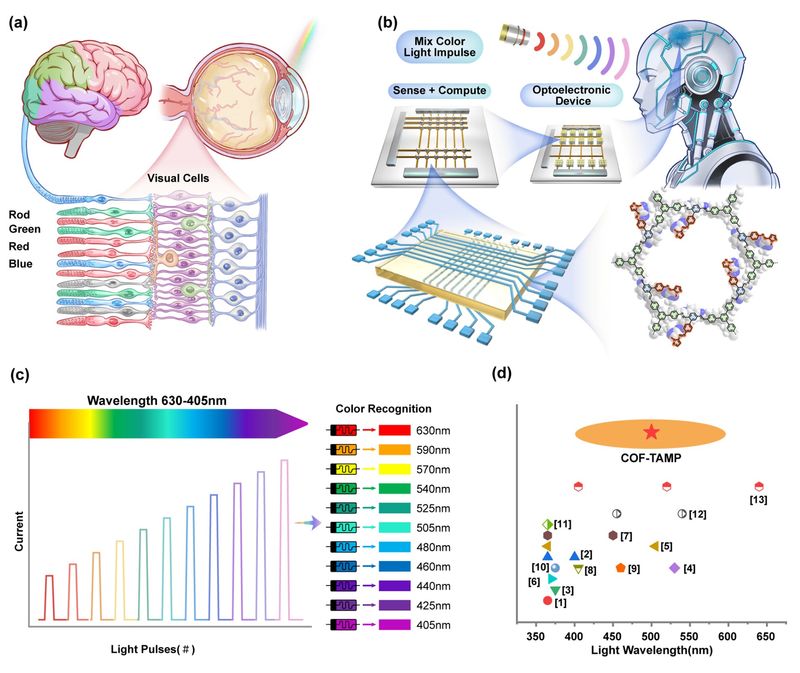
    Recently, a research team from the Institute of Intelligent Sensing and Instruments, and the Shanghai Key Laboratory of Intelligent Sensing and Detection at ECUST has made breakthroughs in the field of visual perception computing.Using a newly developed two-dimensional organic thin-film optoelectronic synapse device, the team developed an innovative approach for the perception of mixed-color information. The findings, titled “Pyrazole-Azobenzene Based Covalent Organic Framework Optoelectronic Sy
    2026-06-08
    LEARN MORE