Research
Research
  • 24
    Apr
    2026
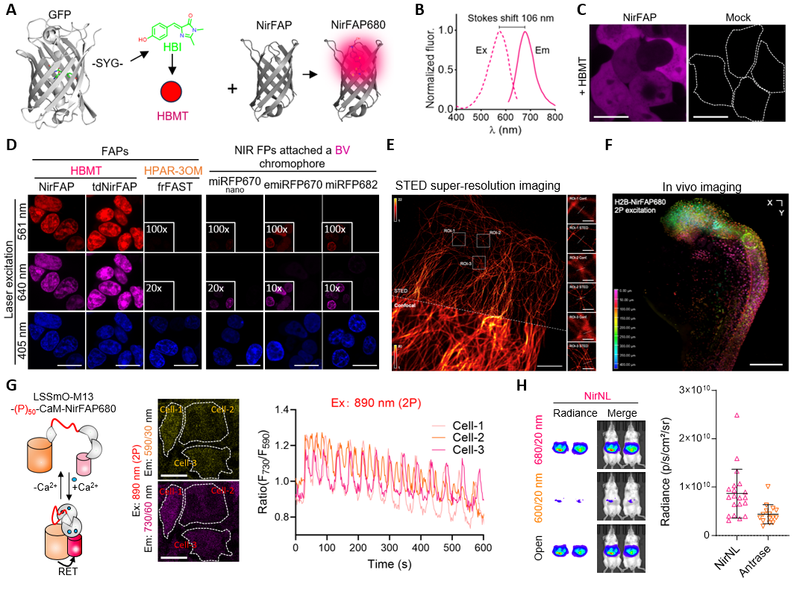
    Recently, a research team led by Yi Yang and Xianjun Chen, professors at the School of Pharmacy, State Key Laboratory of Bioreactor Engineering and the Optogenetics Synthetic Biology Interdisciplinary Research Center of ECUST, made a breakthrough in near-infrared fluorogen-activating protein imaging together with Linyong Zhu, professor at Shanghai Jiao Tong University. Their study, entitled “NirFAP680: A Highly Bright and Stable Large Stokes Shift Near-Infrared Fluorogen-Activating Protein”, wa
    2026-04-24
    LEARN MORE

  • 24
    Apr
    2026
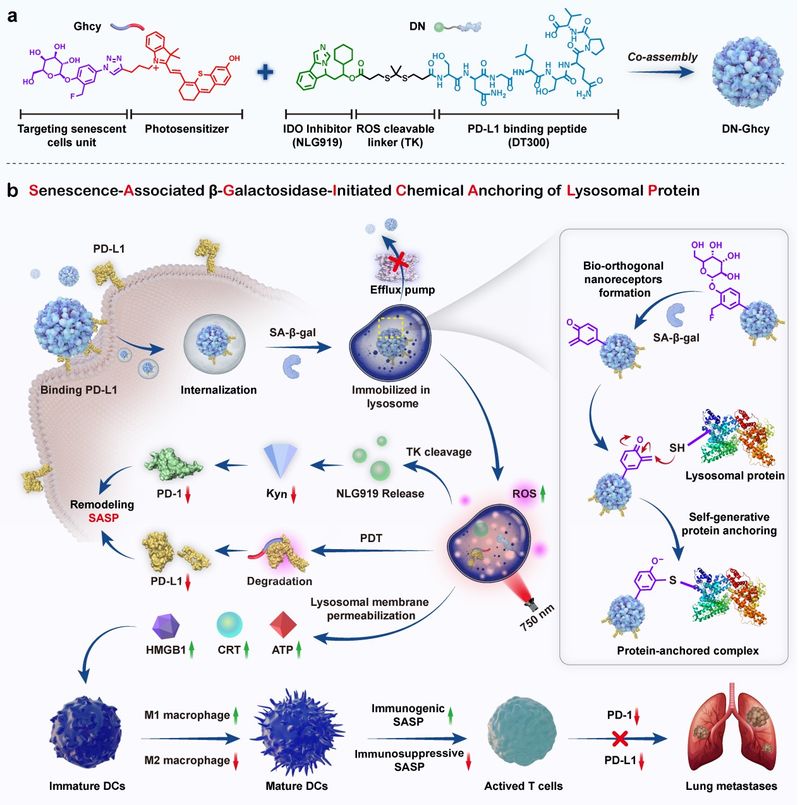
    Recently, a research team led by Professor Wei’an Zhang from the School of Materials Science and Engineering at ECUST has made important progress in the treatment of senescent tumors. The findings were published in Nature Communications under the title “Chemical anchoring of immunotherapeutic drugs within senescent tumor cells overcomes senescence-driven immunotherapy resistance.”The study is the first to report the biological phenomenon of overexpression of drug efflux pumps in senescent tumors
    2026-04-24
    LEARN MORE
  • 22
    Apr
    2026
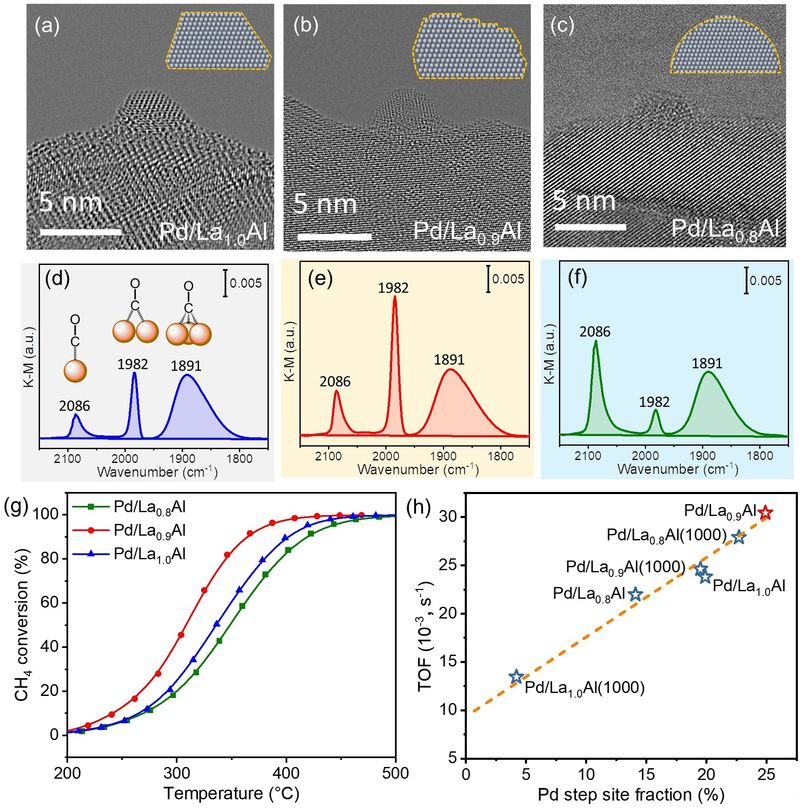
    Recently, a research team led by Professor Wangcheng Zhan from the School of Chemistry and Molecular Engineering at ECUST achieved a breakthrough in the atomic-level precise design and construction of supported noble metal catalysts. The study, titled “Defect-engineered nonstoichiometric perovskite hosting high-activity PdO sites for enhanced hydrocarbon oxidation,” was published in Nature Communications.Supported noble metal catalysts play an irreplaceable role in environmental protection and e
    2026-04-22
    LEARN MORE
  • 21
    Apr
    2026
    In recent years, AI has been rapidly transforming a wide range of industries at an unprecedented speed. In the key field of advanced high-performance polymer materials, the new research paradigm of AI for Polymers and its series of AI achievements are driving China’s material research and development from the traditional experience-based trial-and-error approach toward an intelligence-driven era of precision design.Focusing on core technological bottlenecks of new materials for aerospace and adv
    2026-04-21
    LEARN MORE
  • 20
    Apr
    2026
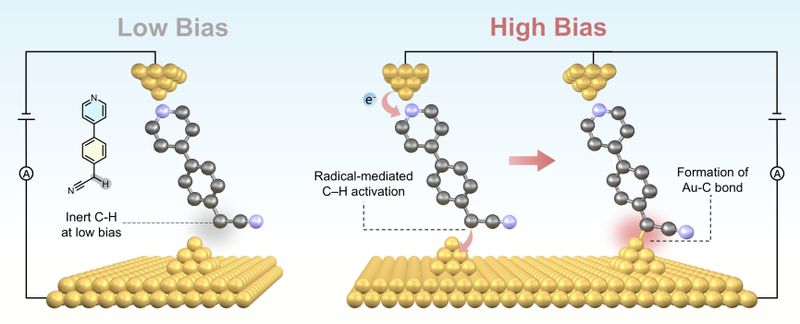
    Recently, the research team led by Academician He Tian from the School of Chemistry and Molecular Engineering, ECUST, has made new progress in single-molecule electrocatalytic C–H activation, constructing high-conductance Au–C covalent molecular junctions at the single-molecule level. The research, titled “Electrocatalytic Benzylic C–H Activation Enables Direct Au–C Single-Molecule Junctions”, was published in Journal of the American Chemical Society.Traditional C–H bond activation typically rel
    2026-04-20
    LEARN MORE
  • 15
    Apr
    2026
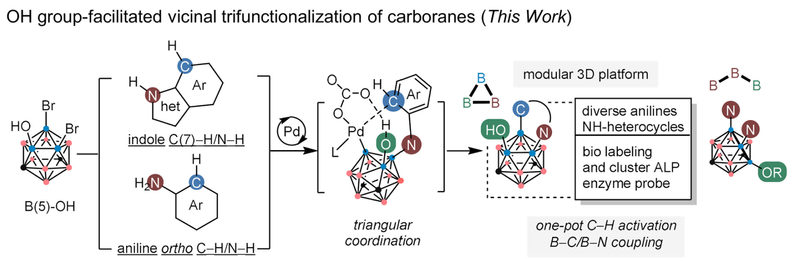
    Recently, a research team led by Associate Professor Xin Mu from ECUST published a paper entitled “B-H Oxidation Enables Modular Synthesis of Vicinally Trifunctionalized Boron-Rich Clusters” in Chem. The study proposed a hydroxyl-directed strategy to achieve precise vicinal trifunctionalization at boron vertices of carboranes, providing a new platform for the development of Boron Neutron Capture Therapy (BNCT) and three-dimensional biological probes.In the chemical modification of carborane stru
    2026-04-15
    LEARN MORE
  • 13
    Apr
    2026
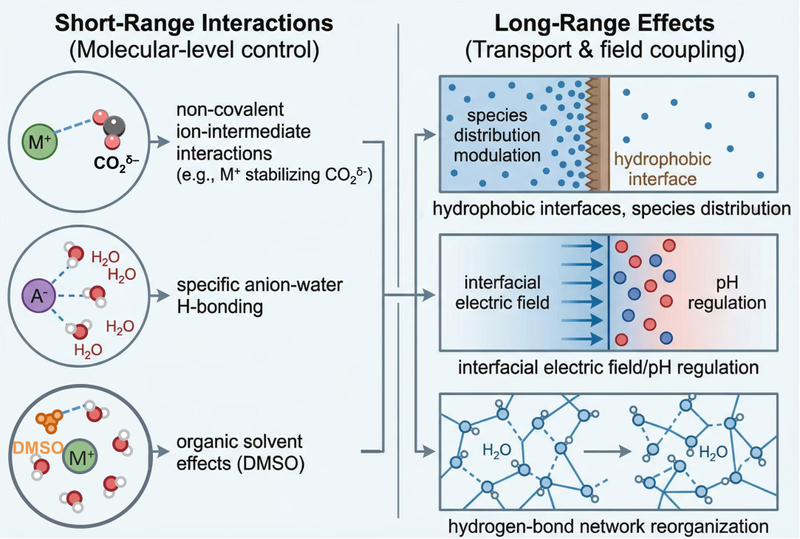
    Recently, a research team led by Professor Chunzhong Li from the School of Chemical Engineering at ECUST published a review article titled “Mastering the Electrified Interface Microenvironment for Selective Electrocatalysis” in Accounts of Chemical Research. The article summarized the advances and perspectives on electrocatalytic interfacial microenvironment regulation.Electrocatalysis is often limited by side reactions and mass transport constraints arising from poorly controlled electrode–elec
    2026-04-13
    LEARN MORE
  • 13
    Apr
    2026
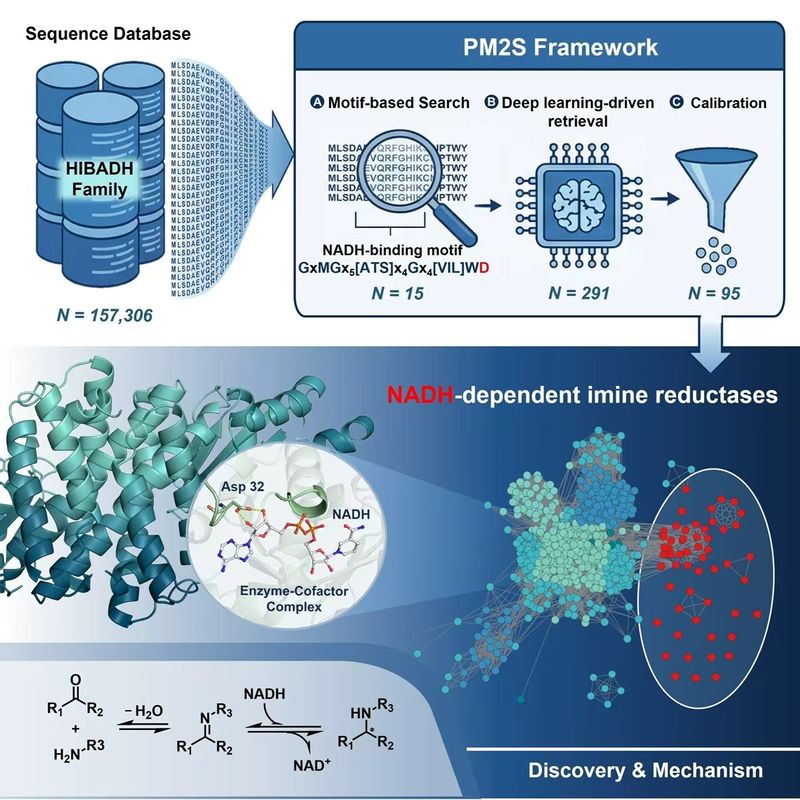
    Recently, two research teams led by Gaowei Zheng from the School of Biological Engineering and Guisheng Fan from the School of Information Science and Engineering at ECUST collaborated to develop a novel deep learning-based enzyme mining strategy based on local motifs. Using this tool, they identified unreported native nicotinamide adenine dinucleotide (NADH)-dependent imine reductases (IREDs). The research findings were published online in Chem, a journal of Cell Press, titled “A motif-based de
    2026-04-13
    LEARN MORE